Water
Water Efficiency Strategies That Save UK Businesses Thousands
For many UK business owners, water is often overlooked as a fixed cost, relegated to the background while electricity and gas prices command the spotlight. However, with the deregulation of the water market in England, businesses now have the power to switch retailers, yet the most effective way to improve your bottom line remains the reduction of overall consumption. Implementing a robust water management strategy is not just an environmental imperative; it is a direct pathway to reducing overheads and protecting your organisation against future tariff hikes.
Identifying Hidden Costs Through Leak Detection
The most insidious drain on your company’s finances is often a silent one. Small leaks in commercial plumbing, faulty toilet cisterns, or damaged irrigation systems can waste hundreds of thousands of litres over a financial quarter without ever being noticed. Because water bills are often based on estimated readings, these leaks can persist for months before a massive adjustment bill arrives, causing significant cash flow disruption.
To combat this, your first step should be to establish a baseline of "normal" usage. Monitor your water meter during periods when the premises are unoccupied, such as overnight or over a weekend. If the dial or digital reading is still advancing while no taps are running, you have an immediate indication of a leak. Investing in automated meter reading (AMR) technology or data loggers can provide real-time alerts for unusual flow patterns, allowing your maintenance team to intervene before a minor drip turns into a major capital expenditure.
Retrofitting for Maximum Efficiency
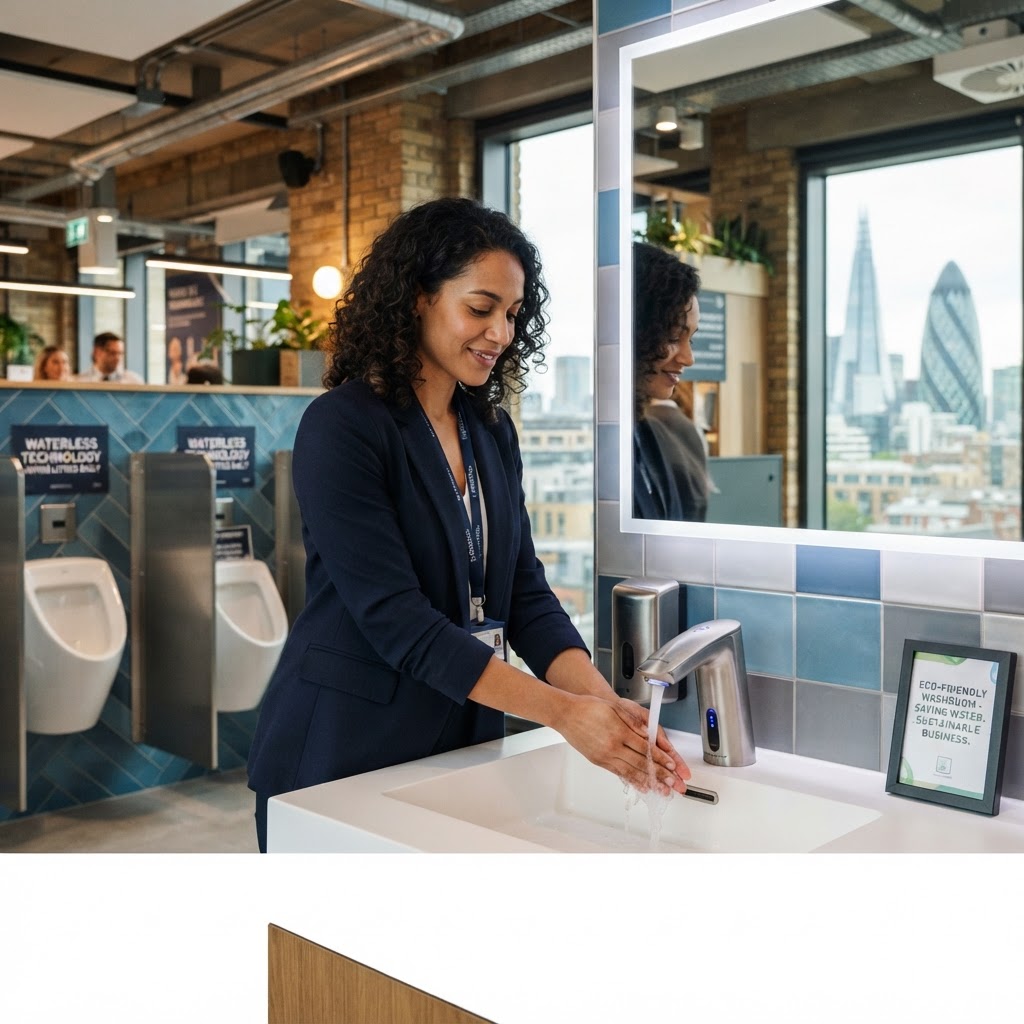
Beyond maintenance, the physical infrastructure of your workspace plays a pivotal role in water waste. Many SMEs operate in older buildings where bathroom facilities, breakroom kitchens, and industrial processes rely on outdated, high-flow fixtures. Replacing these with modern, low-flow alternatives is one of the most effective ways to lower utility overheads permanently.
Installing aerators on taps and fitting dual-flush mechanisms in toilets can reduce water usage by up to 50% per unit. For businesses with shower facilities, such as those encouraging cycling to work or gym-integrated offices, installing water-efficient showerheads is a simple retrofit that significantly curtails volume without compromising user experience. These upgrades are relatively inexpensive, often paying for themselves through reduced metered charges within the first year of installation.
Cultivating a Culture of Water Stewardship
Technology and plumbing upgrades are essential, but they are only half the battle. Your business’s water footprint is heavily influenced by the daily behaviour of your employees. When staff are unaware of the cost of water, it becomes a resource treated with indifference. By integrating water saving into your corporate social responsibility (CSR) initiatives, you can foster a culture that views resource efficiency as a collective goal.
Simple educational campaigns can be surprisingly effective. Use signage in restrooms and kitchens to encourage staff to report drips immediately and to use water thoughtfully. When employees understand that water efficiency contributes to the overall financial health of the organisation, they are far more likely to participate in identifying waste. Consider appointing a "sustainability champion" within your team to monitor progress and celebrate milestones, such as a lower quarterly water bill. This psychological shift can lead to sustained reductions in usage that hardware alone cannot achieve.
Leveraging Strategic Procurement
While internal efficiency is critical, the cost of the water itself remains a variable you can control through strategic procurement. Since the market opened, many businesses have remained on default tariffs with their incumbent provider, missing out on the competitive rates available to those who actively manage their contracts.
Beyond just switching providers, look for retailers that offer value-added services such as comprehensive water audits. Many modern water suppliers now provide analytical tools that identify patterns in your consumption, helping you spot discrepancies or inefficiencies that manual auditing might miss. By combining an active approach to your supply contract with the infrastructure improvements mentioned above, you create a dual-layered strategy that protects your profit margins from both sides.
Water efficiency is a low-risk, high-reward strategy that offers immediate benefits to your SME. By taking control of your consumption, you are not only safeguarding your business from unpredictable price fluctuations but also demonstrating a commitment to sustainable operations that resonates with modern clients and stakeholders.
Ready to see how much your business could save? At Your Cost Utilities, we specialise in helping UK businesses navigate the complexities of the utility market. Contact us today to receive your free, no-obligation utility quotes and discover how we can help you streamline your overheads and secure a more profitable future.
Ready to Start Saving?
Get free utility quotes for your business in less than 5 minutes.
Get My Free Quote