Water
Water Efficiency Strategies That Save UK Businesses Thousands
For many UK business owners, water often sits at the bottom of the priority list when evaluating operational overheads. Unlike electricity or gas, which are frequently monitored due to high-profile price volatility, water costs are often viewed as a fixed, unavoidable expense. However, with the ongoing water market deregulation in England and the rising costs of infrastructure maintenance, failing to manage your water consumption is effectively leaking profit. By implementing a proactive water management strategy, small and medium-sized enterprises (SMEs) can significantly reduce their overheads and demonstrate a commitment to environmental sustainability.
Identifying Hidden Leaks and Consumption Anomalies
The most significant contributor to inflated water bills is often an undetected leak. In a commercial environment, it is easy to assume that if there is no standing water, there is no leak. However, many leaks occur in underground supply pipes or within hidden plumbing infrastructure, meaning thousands of litres can be lost annually without a single drop surfacing.
To combat this, organisations should adopt a regular schedule of meter readings. By comparing your manual readings against the data on your monthly invoices, you can establish a baseline for your "normal" usage. If your consumption spikes significantly during periods of low activity—such as weekends or bank holidays—this is a primary indicator of a latent leak. Investing in smart water meters or data-loggers can provide real-time insights, alerting your maintenance team to irregularities the moment they occur rather than waiting for a bill to arrive.
Upgrading to Water-Efficient Infrastructure
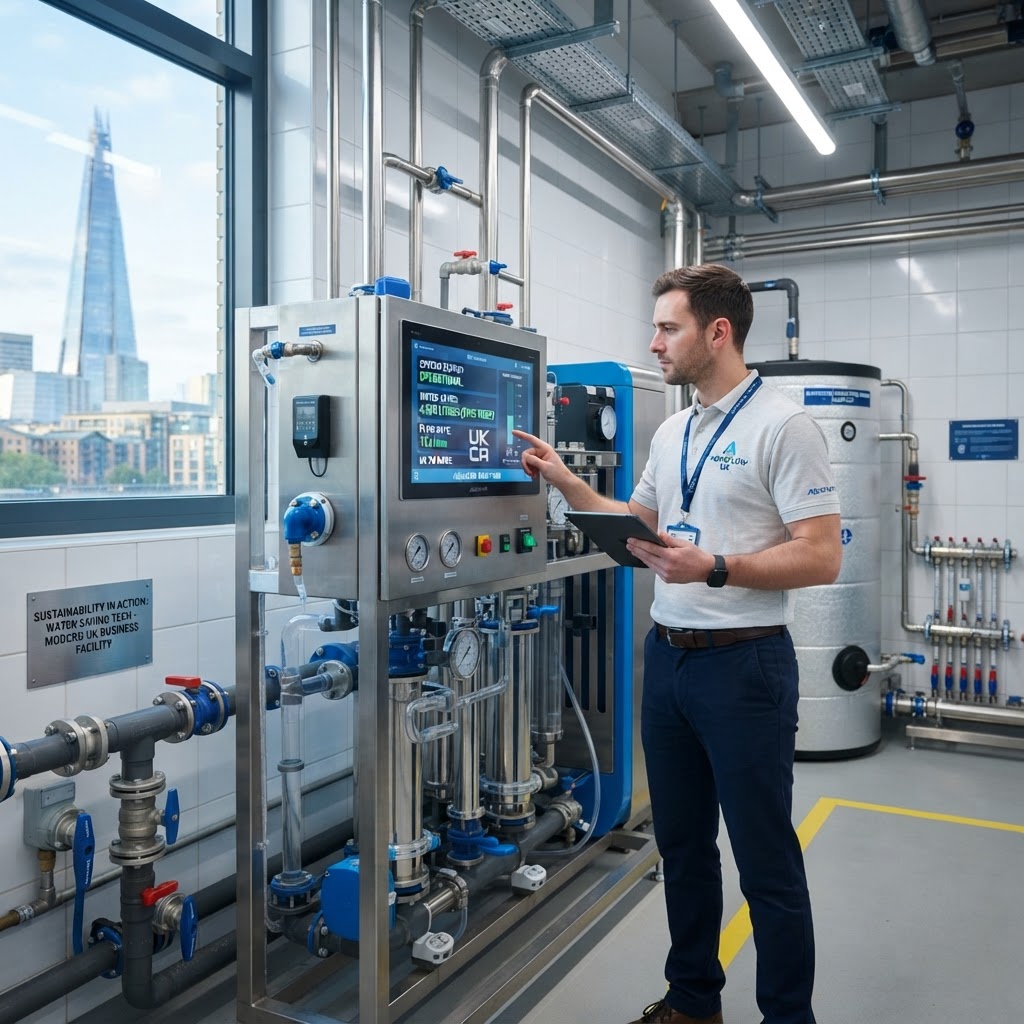
Traditional washroom facilities are notorious for excessive water usage. In an office setting, a single faulty cistern or an outdated tap can waste hundreds of pounds over the course of a year. Retrofitting your premises with modern, water-efficient technology is a highly effective way to achieve immediate savings.
Consider installing flow restrictors on taps, which mix air with water to maintain a high-pressure feel while significantly reducing the actual volume of water used. For toilets, dual-flush converters or displacement devices are inexpensive modifications that drastically reduce the litres used per flush. If your business operates a canteen or high-traffic washroom area, opting for sensor-operated taps ensures that water is only flowing when necessary, effectively eliminating the risk of taps being left running by staff or visitors. These upgrades pay for themselves rapidly, often within just a few months of installation.
Fostering a Culture of Water Conservation
Technology alone cannot solve the problem of water waste; human behaviour is a crucial factor. Implementing a formal water efficiency policy can align your staff with your sustainability goals and help keep costs down. Often, employees are unaware of the impact of leaving a tap running or reporting a dripping pipe, simply because they do not see the financial implications on the business balance sheet.
Start by conducting a brief audit of your premises and educating your team on simple, energy-conscious habits. Encourage a reporting culture where employees feel empowered to flag leaky toilets, dripping taps, or damp patches immediately. By communicating the cost savings back to your staff—perhaps even tying these savings to wider office improvements or sustainability goals—you turn a passive workforce into active participants in your utility cost-reduction strategy. A collective focus on conservation not only benefits your bottom line but also enhances your organisation's reputation as a responsible, eco-conscious employer.
Navigating the Deregulated Water Market
Since the introduction of the non-household water retail market in England in 2017, businesses have had the freedom to switch their water and wastewater retailer. Despite this, a surprising number of SMEs remain on their default provider’s tariffs, often paying a premium for a service that could be sourced more competitively elsewhere.
Reviewing your water contract is just as important as reviewing your energy and broadband deals. By consolidating your utilities or switching to a retailer that offers more favourable wholesale rates and value-added services like leak detection support, you can secure significant long-term savings. The complexity of the market can sometimes feel daunting, but a systematic approach to comparing tariffs can reveal massive disparities in pricing structures between different retailers.
Managing your utility expenses doesn’t have to be a full-time job, but it does require professional attention and a strategic approach. If you are ready to take control of your overheads and ensure your business is operating as efficiently as possible, let the experts at Your Cost Utilities assist you. We specialise in helping UK businesses cut through the noise and find the best deals on the market. Visit our website today to get free utility quotes and see how much your organisation could save.
Ready to Start Saving?
Get free utility quotes for your business in less than 5 minutes.
Get My Free Quote