Water
Water Efficiency Strategies That Save UK Businesses Thousands
For many UK business owners, water often sits at the bottom of the priority list when evaluating operational overheads. Unlike electricity or gas, where price volatility is frequently in the news, water costs are often viewed as a fixed, immutable expense. However, with the ongoing pressure on profit margins and an increasing focus on environmental, social, and governance (ESG) responsibilities, ignoring your water usage is a costly oversight. By implementing a proactive water efficiency strategy, your organisation can reduce utility bills by thousands of pounds while simultaneously bolstering your corporate sustainability credentials.
Identifying Hidden Costs Through Leak Detection
The most significant drain on an SME’s water budget is often invisible. Underground leaks, faulty toilet cisterns, and dripping taps can account for a staggering volume of wasted water over a twelve-month period. Because water charges are based on the total volume passing through the meter, a persistent, silent leak acts as a continuous drain on your company’s finances. Even a small "weeping" pipe can waste hundreds of litres per day, inflating your bill significantly before the problem is ever detected.
To combat this, businesses should make a habit of conducting regular meter readings during periods of non-occupancy, such as overnight or over a weekend. If the meter is still spinning when no water is being used on-site, you almost certainly have a leak. Investing in automated meter reading (AMR) technology or smart water meters can provide real-time data, sending alerts to your dashboard the moment unusual consumption patterns occur. By catching these issues early, you prevent minor maintenance problems from ballooning into expensive utility bills and structural repair costs.
Modernising Infrastructure and Hardware
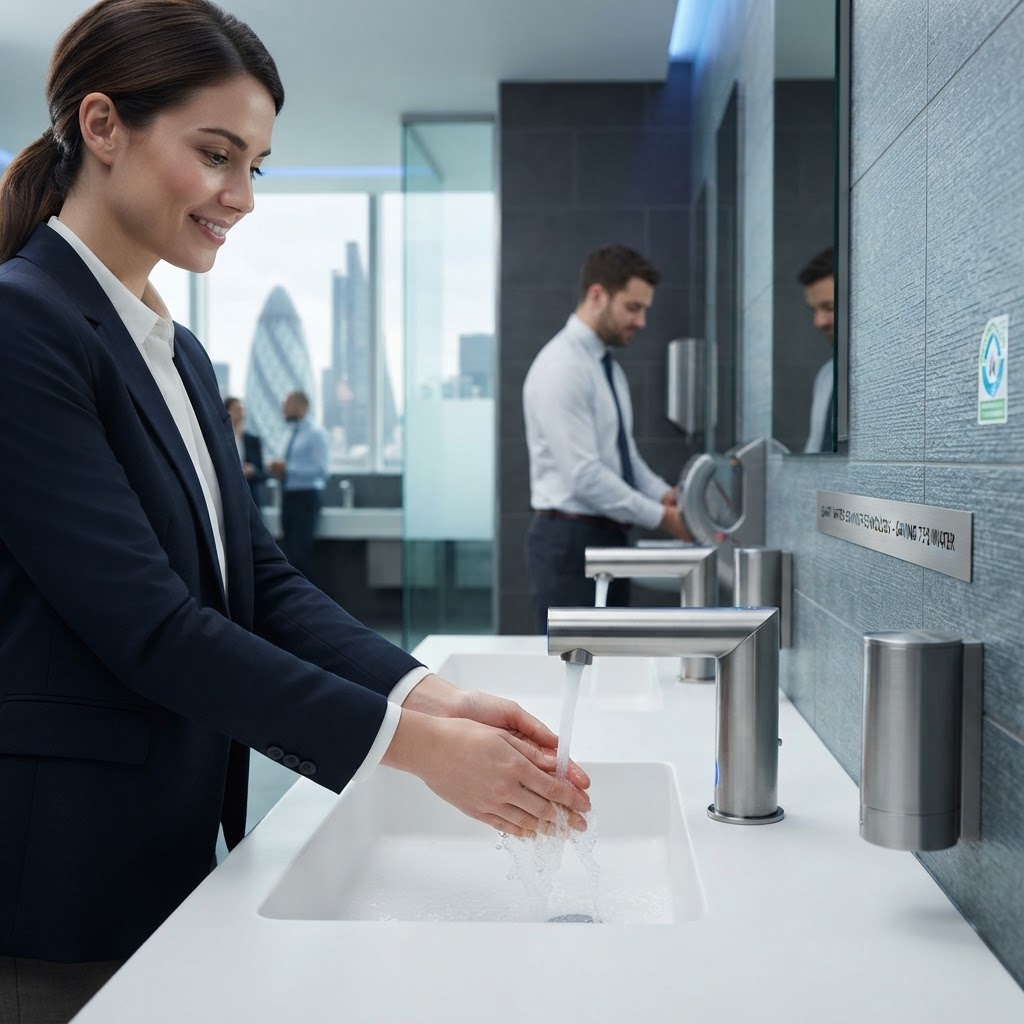
It is easy to assume that current office or warehouse facilities are as efficient as they can be, but advances in plumbing technology have moved quickly. Installing water-efficient hardware is one of the most effective ways to lower baseline consumption without requiring significant changes to employee behaviour. For many businesses, the largest water usage occurs in washrooms and kitchen areas, where traditional high-flow taps and flush systems often exceed what is necessary.
Consider retrofitting your premises with aerated tap heads, which mix air into the water stream to maintain pressure while reducing flow rates by up to 50 per cent. Similarly, upgrading to dual-flush toilets or waterless urinals can lead to dramatic reductions in annual usage. While these upgrades require an initial capital outlay, the return on investment is often realised within 12 to 18 months. Beyond hardware, ensure that all appliances—such as dishwashers and industrial coffee machines—are operated only at full capacity to maximise the efficiency of every drop used.
Cultivating a Culture of Conservation
Technological solutions provide the foundation, but long-term success relies on your workforce. Water efficiency is as much about human behaviour as it is about pipework. Staff often feel disconnected from utility costs because they rarely see the bill, meaning they may not consider the impact of leaving a tap running or reporting a minor leak. By integrating water saving into your company’s internal communication strategy, you can turn your staff into active participants in reducing overheads.
Transparency is key to fostering this culture. Share your water consumption data with your team and set clear, achievable targets for reduction. This could involve simple campaigns, such as placing stickers near breakroom taps reminding employees to turn them off completely, or appointing a "utility champion" to monitor usage. When employees understand that the money saved through lower utility bills can be reinvested into better office facilities, staff benefits, or company events, they are far more likely to adopt mindful habits.
Optimising Your Tariff and Supply
Even if your organisation is incredibly water-efficient, you may still be paying more than necessary if you are on the wrong tariff or failing to account for wastewater trade effluent. Since the deregulation of the English water market in 2017, businesses have been able to switch their water retailer, much like they do for electricity and gas. Many SMEs remain on default contracts or legacy rates that do not reflect their current usage profile, which can lead to significant overpayment.
Your Cost Consult can help you navigate the complexities of the water market. By auditing your current usage and comparing it against the best available rates in the industry, we can identify opportunities to consolidate your accounts or secure a more competitive pricing structure. Understanding the nuance of your water contract—and ensuring you aren't paying for services you don't use—is a fundamental step in effective utility management.
If you are ready to stop overpaying for your business water, Your Cost Consult is here to help. We specialise in helping UK SMEs secure the best possible rates for their energy and water needs. Contact our team today to get your free, no-obligation utility quotes and discover exactly how much your business could be saving.
Ready to Start Saving?
Get free utility quotes for your business in less than 5 minutes.
Get My Free Quote